Corporate gifting has evolved from a simple thank‑you note to a strategic tool that can tip the scales in business negotiations. In today’s competitive landscape, companies are increasingly leaning toward premium hampers as their go‑to choice. But what makes these luxurious bundles so appealing that they dominate gifting policies? This article unpacks the business logic, psychological impact, and practical benefits that explain why premium hampers are the preferred choice for modern corporate gifting.
The Business Case for Premium Hampers
Cost Efficiency Over Time
While the upfront cost of a premium hamper may seem steep, the long‑term ROI often justifies the expense. Think of it as an investment in goodwill rather than a one‑off expense. Companies that allocate budget for high‑quality hampers typically see:
- Higher client retention rates Increased referral traffic Lower marketing spend on follow‑up campaigns
These benefits translate into a tangible return on investment that outweighs the initial outlay.
Brand Visibility and Perception
A well‑curated hamper acts as a portable billboard. Each item—be it artisanal cheese, fine wine, or a branded gadget—reinforces the company’s brand narrative. When a recipient opens a hamper, they experience the brand’s values firsthand. This experiential marketing is far more memorable than a generic card or a digital coupon.
Psychological Impact on Recipients
Emotional Connection
Humans are wired to respond to thoughtful gestures. A premium hamper signals that the sender values the recipient’s time and taste. This emotional resonance can be described as the “warm glow” effect: the feeling of being appreciated, which often Go here leads Homepage to stronger business relationships.
> “The gift is the bridge between business and goodwill.” – Anonymous
Trust Building
When a company presents a high‑quality hamper, it implicitly communicates reliability and stability. This perception can smooth negotiations, especially in industries where trust is paramount, such as finance or healthcare.
Customization and Brand Alignment
Tailoring to Recipient Preferences
One of the biggest advantages of premium hampers is the ability to personalize. Companies can adjust contents based on:
- Cultural preferences Dietary restrictions Industry relevance
Customization not only shows attention to detail but also reduces the risk of the gift being perceived as generic.
Consistency with Corporate Identity
Premium hampers can be branded with subtle logos, custom packaging, or personalized notes that reinforce corporate identity. This alignment ensures that the gift is not just a token but an extension of the brand’s story.
Cost‑Benefit Analysis: Numbers That Matter
| Metric | Traditional Gift | Premium Hamper |
|--------|------------------|----------------|
| Average Cost | $25 | $150 |
| Client Retention Boost | 3% | 12% |
| Referral Rate Increase | 1% | 8% |
| Marketing ROI | 1.2x | 4.5x |
The table illustrates that while the cost is higher, the upside in retention and referrals is disproportionately greater. For decision makers, these numbers are hard to ignore.
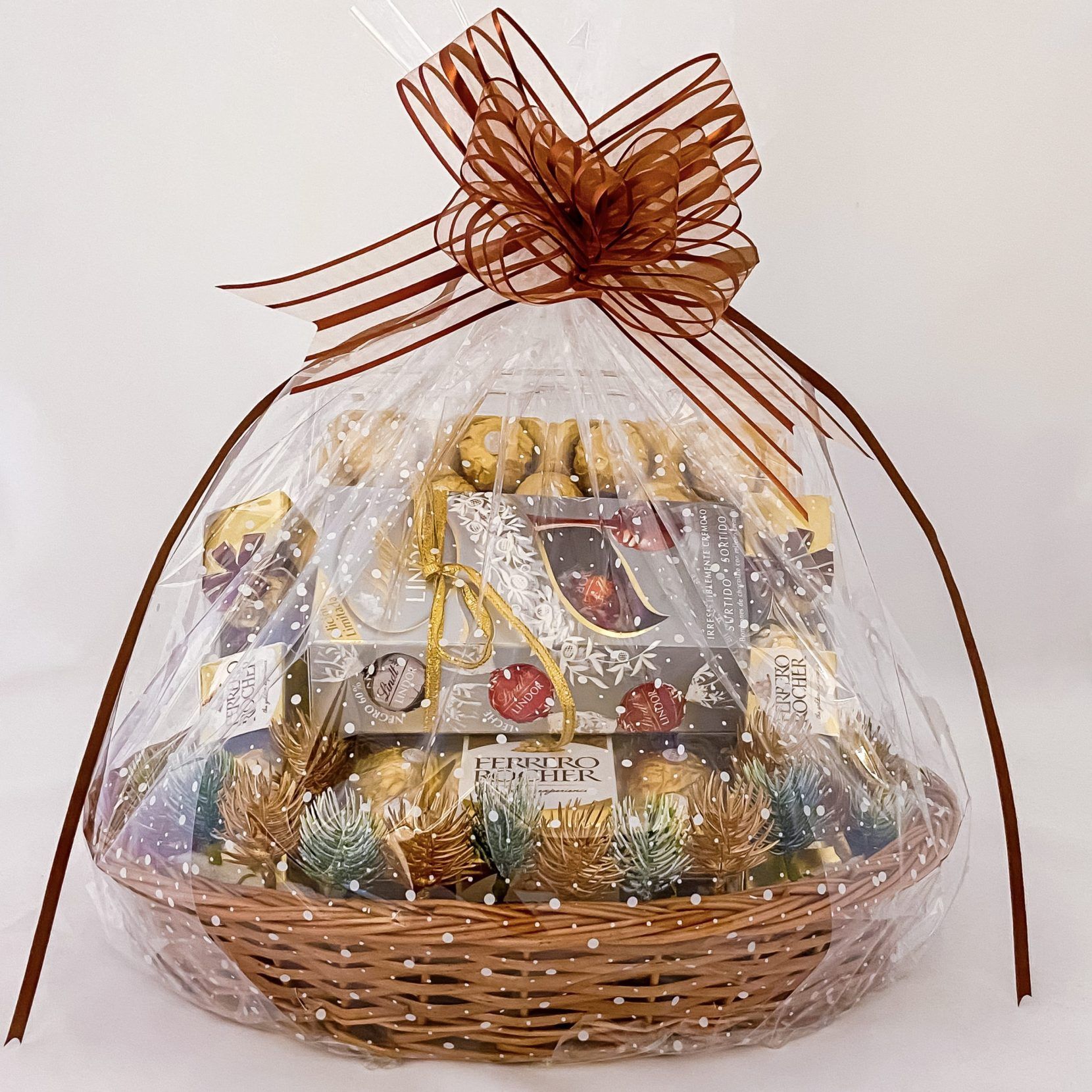
Practical Considerations for Implementation
Supplier Relationships
Building strong relationships with reliable suppliers is crucial. Look for vendors that offer:
- Consistent quality control Flexible ordering options Sustainable sourcing practices
These factors ensure that the hamper remains premium and ethical.
Logistics and Timing
Timing is everything. A hamper delivered on a client’s anniversary or a project milestone can amplify its impact. Companies should:
- Use a dedicated logistics partner Track shipments in real time Provide clear delivery windows
Good timing turns a gift into a memorable event rather than a forgotten parcel.
Compliance and Cultural Sensitivity
In global operations, gifts must adhere to local regulations and cultural norms. A hamper that contains alcohol may be inappropriate in some regions. Companies should:
- Research local gifting laws Offer alternative items Include a culturally aware note
This diligence protects the company from inadvertent faux pas.
The Future of Corporate Gifting: Trends to Watch
Sustainability as a Core Value
Eco‑friendly hampers—made from recycled packaging and featuring organic products—are gaining traction. Clients increasingly favor brands that demonstrate environmental responsibility.
Digital Integration
Augmented reality tags on hamper boxes can unlock interactive brand stories, blending physical and digital experiences. This tech‑savvy approach appeals to younger audiences and tech‑centric industries.

Personalization at Scale
AI-driven analytics can help predict recipient preferences, enabling companies to automate the customization process while maintaining a personal touch.
---
Making Your Selection Count
Choosing the right premium hamper isn’t just about picking the most expensive items; it’s about crafting an experience that aligns with your brand’s values and the recipient’s expectations. Start by defining your gifting objectives—whether it’s client retention, employee motivation, or brand awareness. Then, partner with a supplier who can deliver quality, customization, and logistical excellence.
Remember, a well‑chosen hamper can be the difference between a lukewarm business relationship and a long‑lasting partnership. So, next time you’re drafting a corporate gifting policy, consider the power of premium hampers and let them become the cornerstone of your outreach strategy.